Some of the best ideas never meet. We design the innovation communities where they do.

From a single collaboration session to a multi‑year community strategy: we bring disciplines, organisations and cultures together around new technologies and new fields, and keep them working together after we leave.

Trusted by

Universities · Research centres · Governments · Incubators · Corporates
TU Delft Erasmus University Rotterdam Universiteit Leiden International Centre for Frugal Innovation Naturalis Biodiversity Center PLNT Leiden Orange Corners Rijksdienst voor Ondernemend Nederland The Hague Humanity Hub TEDx T-Mobile
What we do

Three ways in.

The seed · days

Collaboration sessions

One room, the right people, a real divide to cross: often the first seed of a community.

  • Interdisciplinary research workshops
  • Consortium & alliance kick‑offs
  • Co‑creation sessions across an ecosystem
The build · months

Innovation & entrepreneurship programs

Learning programs in innovation, entrepreneurship and future skills, iterated round after round, built so participants leave knowing each other.

  • End‑to‑end program design
  • Program audits & redesigns
  • Facilitator guides & train‑the‑trainers
The arc · years

Community & innovation strategy

Where should your ecosystem go, and who needs to be in it? We design the strategy and stay to execute it.

  • Community strategy & roadmap
  • Ecosystem & stakeholder alignment
  • Knowledge strategy
Guiding principles

What guides the work.

Backed by science.

Learning and innovation research behind every design, and the evidence handed over with it.

Community driven.

Designed so people keep working together after we leave.

Adaptable.

In person, hybrid or remote, in your language. Like paper, we take the shape each project needs.
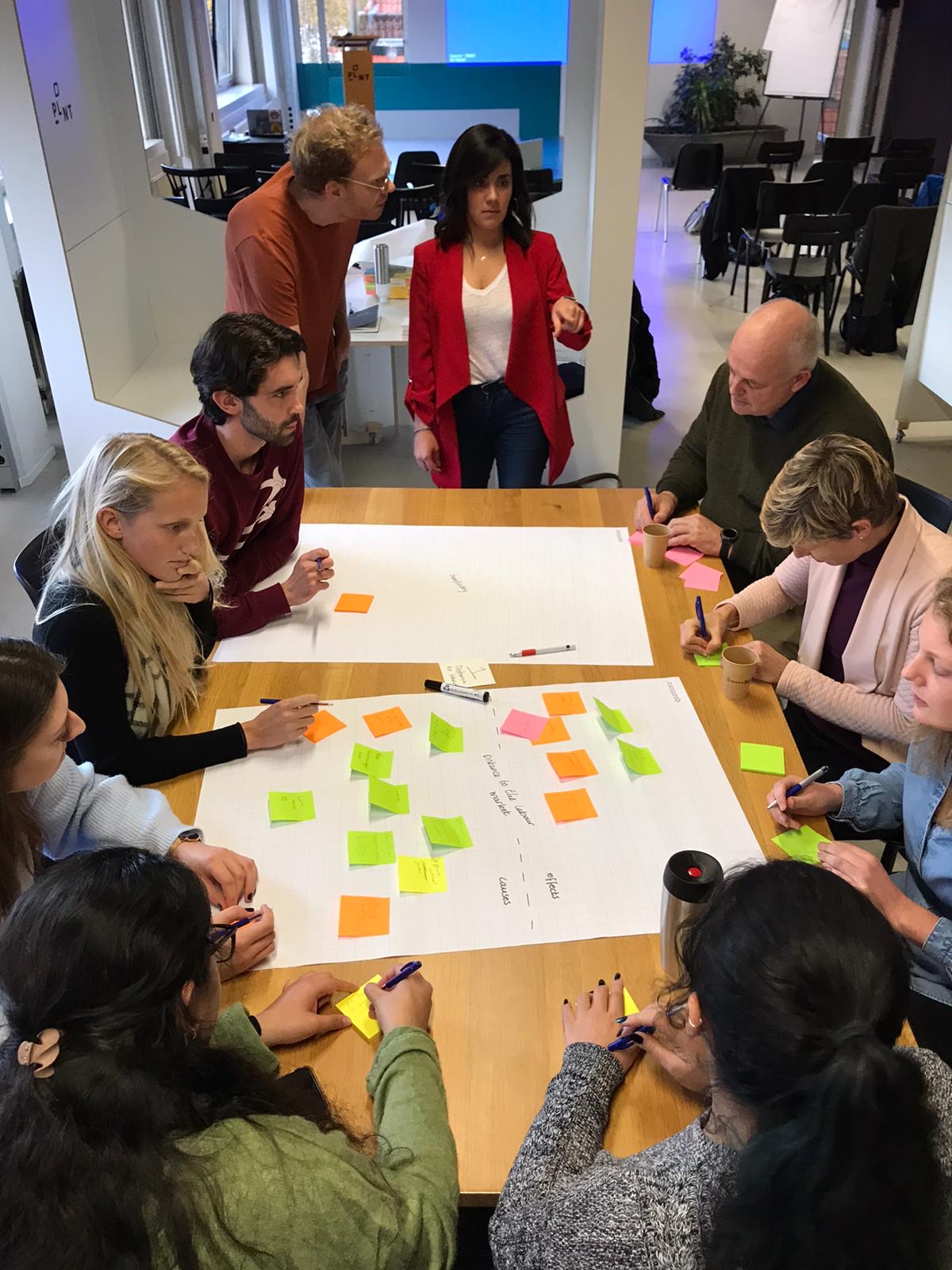
A working session facilitated by Origami Lab at PLNT Leiden
In session · PLNT Leiden
Why us

This is a craft. We've spent fifteen years learning it.

Getting people who don't know each other to genuinely work together is a craft: the right questions in the right order, the pacing that builds trust, the structure that holds after the session ends. It starts with language: entrepreneurs in indigenous communities, corporate innovators, hard‑science researchers and founders coming from tech or social sciences each speak their own, and we learn it before we design anything. We've practised this in research and innovation ecosystems on the ground across Europe, Latin America, Africa and Asia.
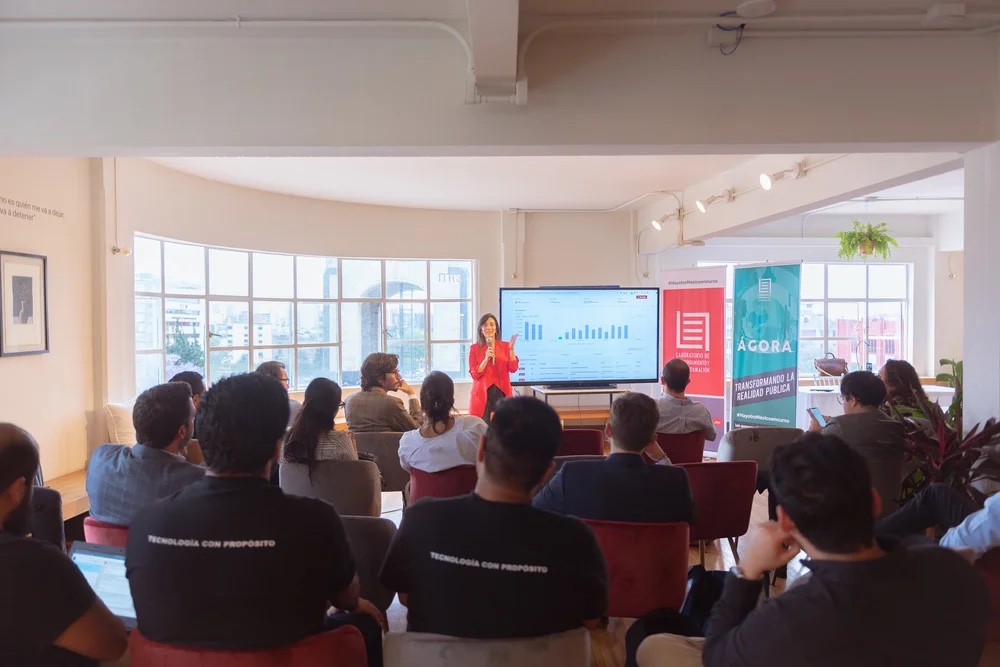
A workshop in a room designed by Origami Lab
Beyond the room

It starts in a room. It keeps going in the calls, the emails, the group chats that outlive the program.

What we hear
“Everyone agrees collaboration matters. Nobody owns it.”
“Every cohort loves the program. Then they scatter.”
“Our partners speak different languages, even in English.”

If any of these sound familiar, that's where we start.
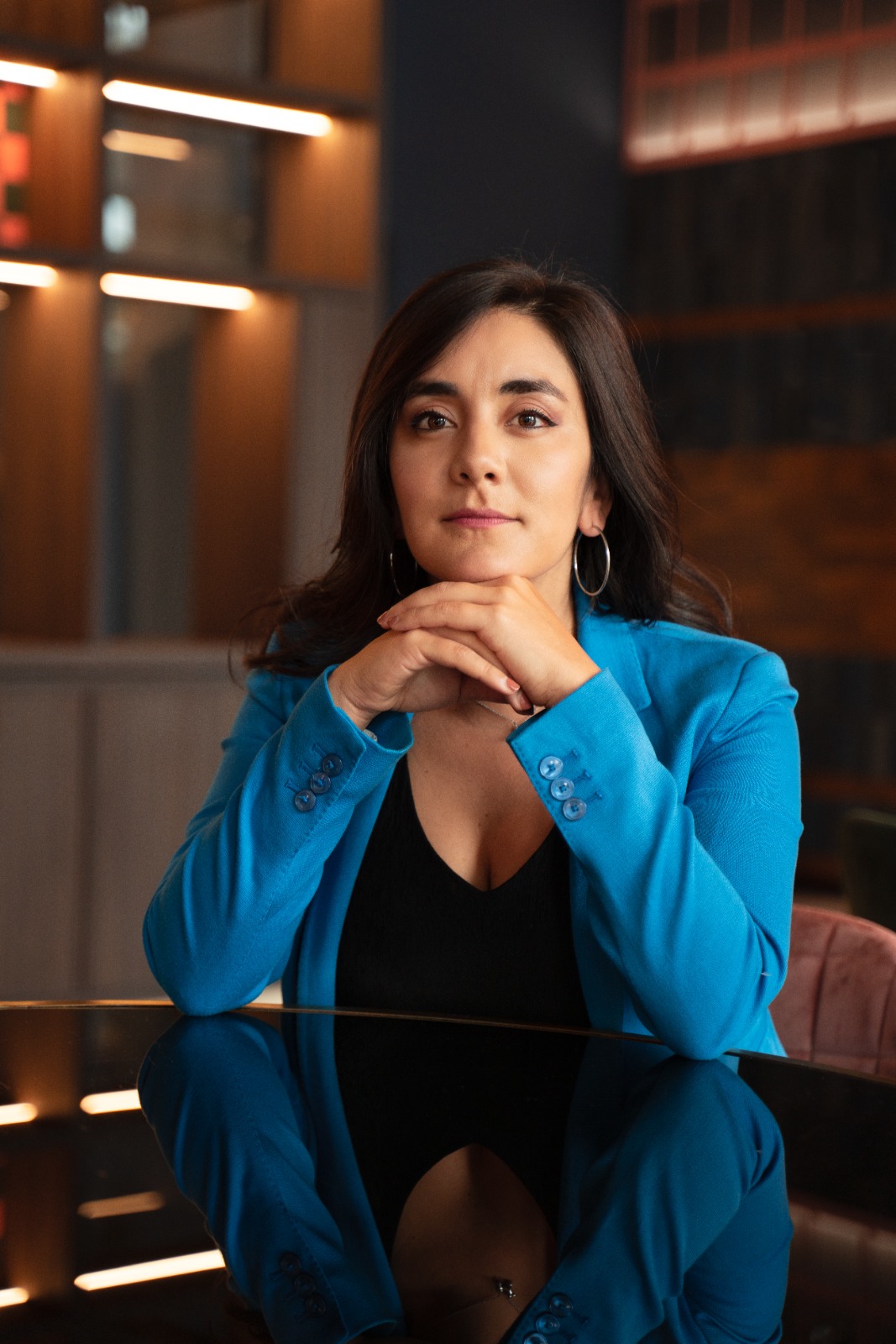
Betty Huerta, founder of Origami Lab
The person behind the studio

Meet Betty Huerta

Fifteen years building programs and communities around what's new, on four continents.

Betty founded Origami Lab after nearly a decade inside the Dutch research and innovation ecosystem, designing entrepreneurship programs and collaboration for universities, incubators and public institutions. Her practice lives where new topics need new communities: frugal innovation, AI for Good, circular economy, including co‑authoring work on frugal AI with the International Centre for Frugal Innovation.

The studio carries her conviction: ecosystems are made of people. Ideas don't meet on their own. Someone has to introduce them.
Cases

Selected work.

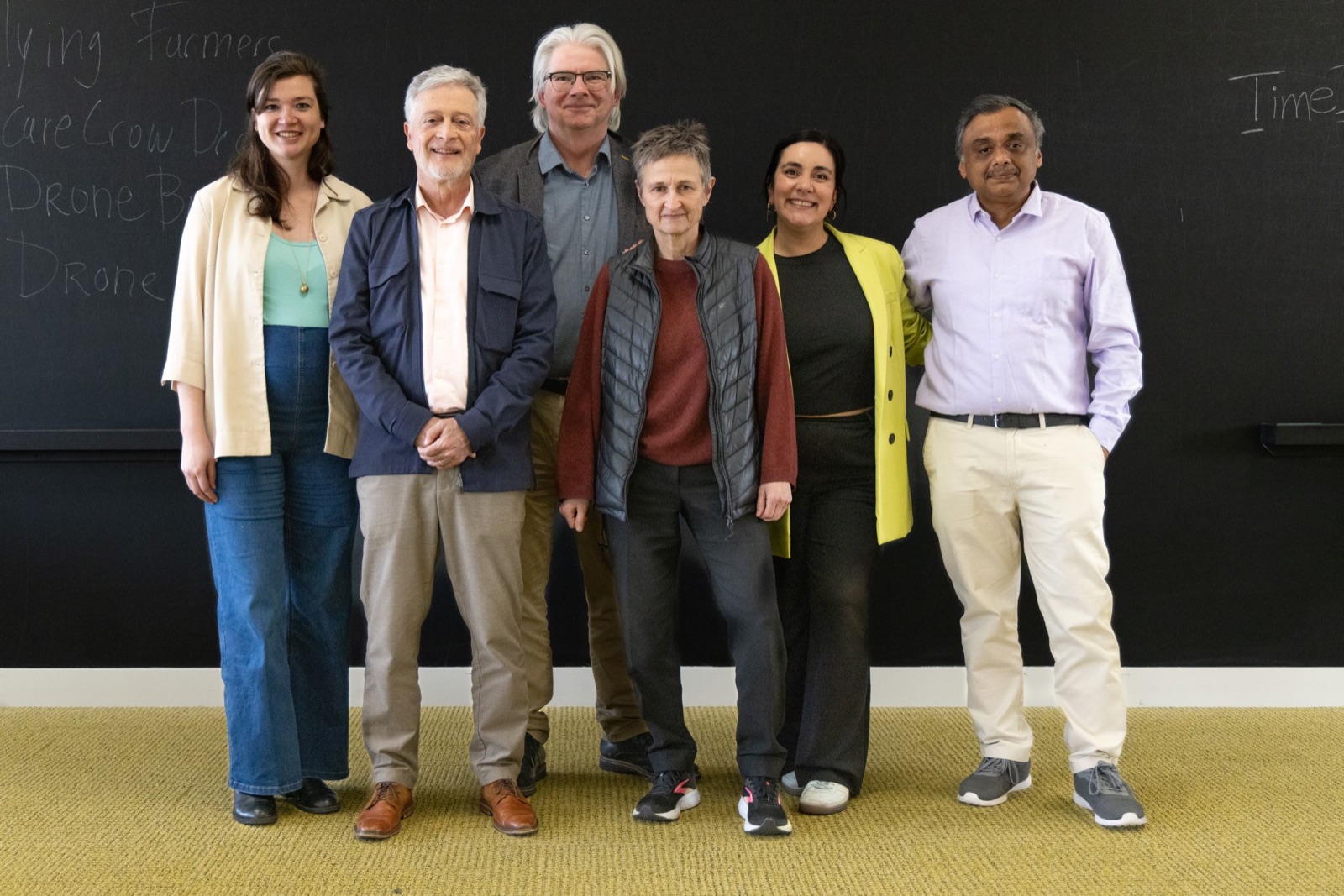
Lorentz Workshop, a multidisciplinary research collaboration
Collaboration sessions

Lorentz Workshop

A five‑day workshop bringing multidisciplinary backgrounds and research topics into one room to think together. We designed the collaboration. Themes: time, innovation and progress.

Multidisciplinary · 5 days
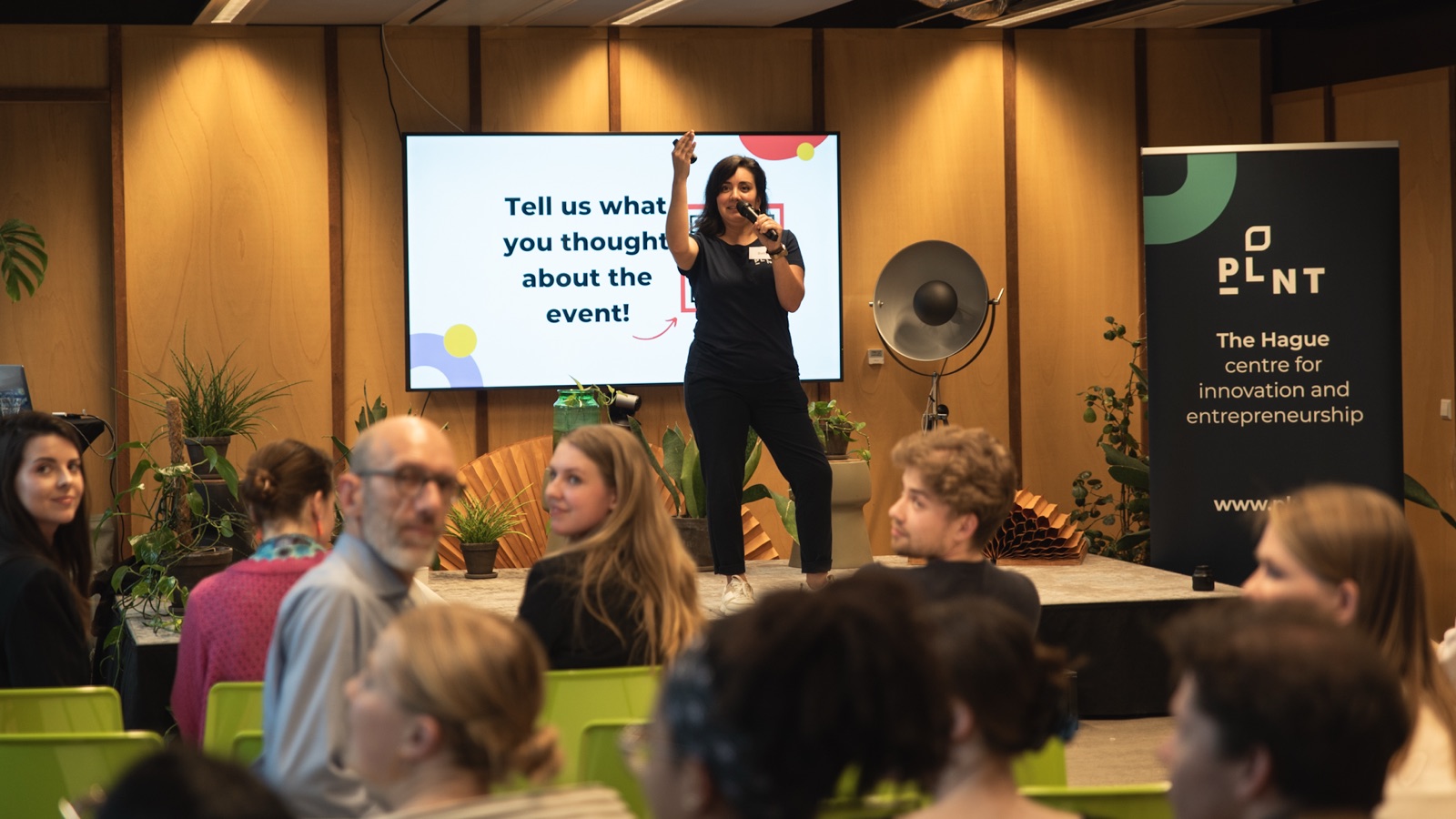
Facilitating a session at PLNT
Entrepreneurship program

PLNT

Venture Academy, an entrepreneurship program for the Leiden university ecosystem, designed end to end and handed over with trained facilitation. It still runs today, led by PLNT's own team.

Leiden & The Hague · recurring client
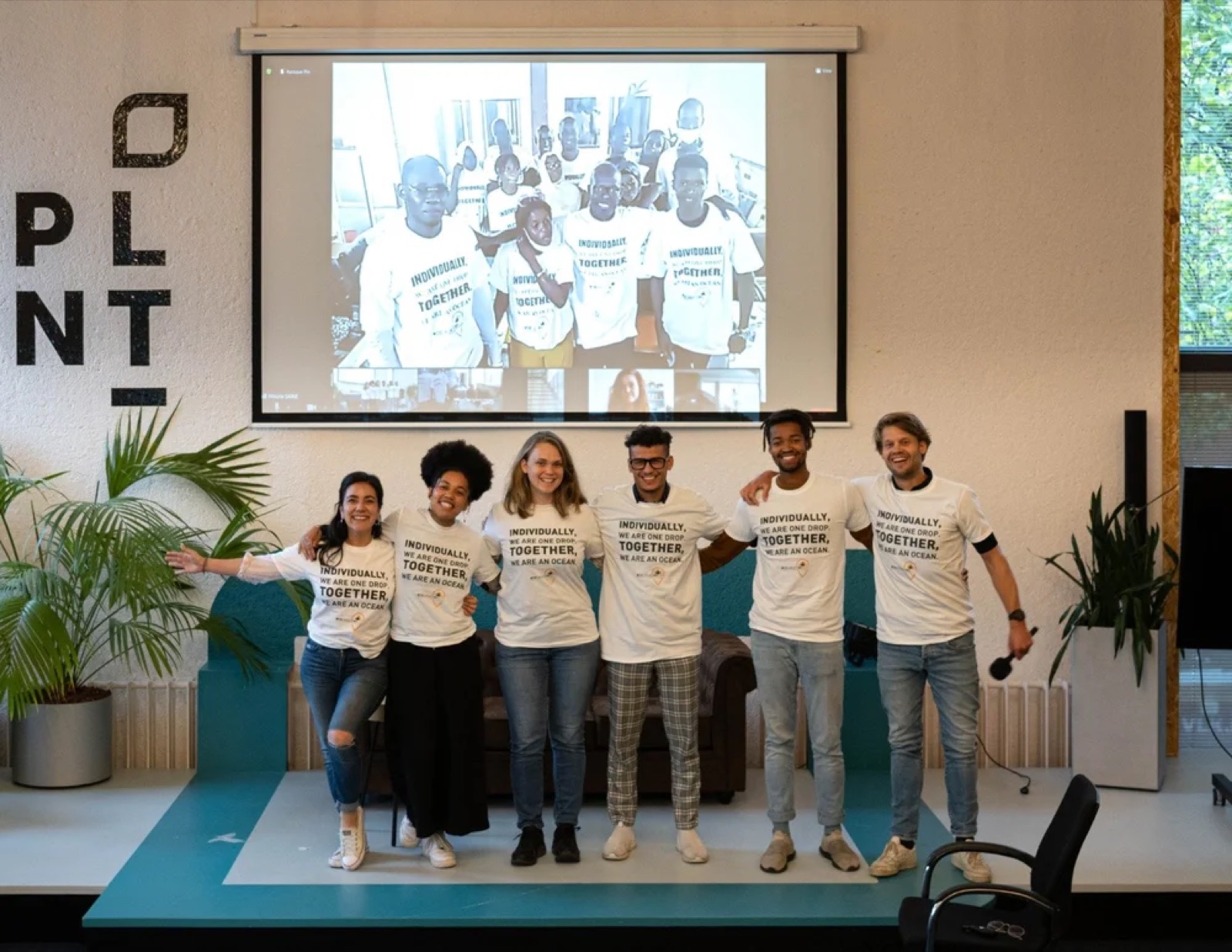
RVO / Orange Corners, a hybrid Senegal-Netherlands program
Co‑creation program

RVO / Orange Corners

A hybrid Senegal–Netherlands program: multidisciplinary teams co‑creating circular‑economy solutions for Dakar. We designed the process and the sessions, and facilitated the cross‑border co‑creation. With Orange Corners, RVO and PLNT.

Dakar × Netherlands · hybrid
FAQ

Before you write.

What kind of organisations do you work with?
Research centres, universities, incubators, accelerators and the organisations that connect them. If your work depends on people who don't share a discipline, an office or a culture, and the subject is something new, a technology, a field, a transition, that's our terrain.
Do you also run one‑off sessions?
Yes: collaboration sessions are one of our three doors, and often the first. Every session is designed around a real divide to cross, between disciplines, organisations or cultures. What we don't take on is generic facilitation: if there's no boundary to bridge, we're not the right studio.
What does "embedded" mean in practice?
We work inside your organisation for the length of the project: conversations with your people, co‑design sessions with your team, facilitation on site or online. You are not handed a report; your team keeps a way of working.
What stays after you leave?
Two things. Your team keeps a way of working: guides, templates, trained facilitators. And the people involved keep each other: the ties between participants, institutions and stakeholders that the work created. That second part is the point.
Where do you work?
Origami Lab is based in Rotterdam and works across Europe and internationally. Programs have run in the Netherlands, Latin America, West Africa and Asia, on site, remote or hybrid.
What languages do you work in?
We design and facilitate in English and Spanish.
How does an engagement start?
With a conversation, then a short listening phase: we talk to the people involved before we propose anything. We don't design for people we haven't heard.
The method

Unfold. Learn from the pattern. Refold with more care.

Unfold

Lay the current program, consortium or process flat. See all of it.

Learn from the pattern

The creases show how it was made, and where it can fold differently.

Refold with more care

The same material, restructured so the right people finally meet.

Ready when you are.

Start a conversation